
Microplastics consist of tiny fragments of plastic that cause environmental pollution.
Nine types of polymers and one type of rubber have been detected in plastics transported by the air. Although this discovery has implications for the climate, researchers still do not know the exact consequences.
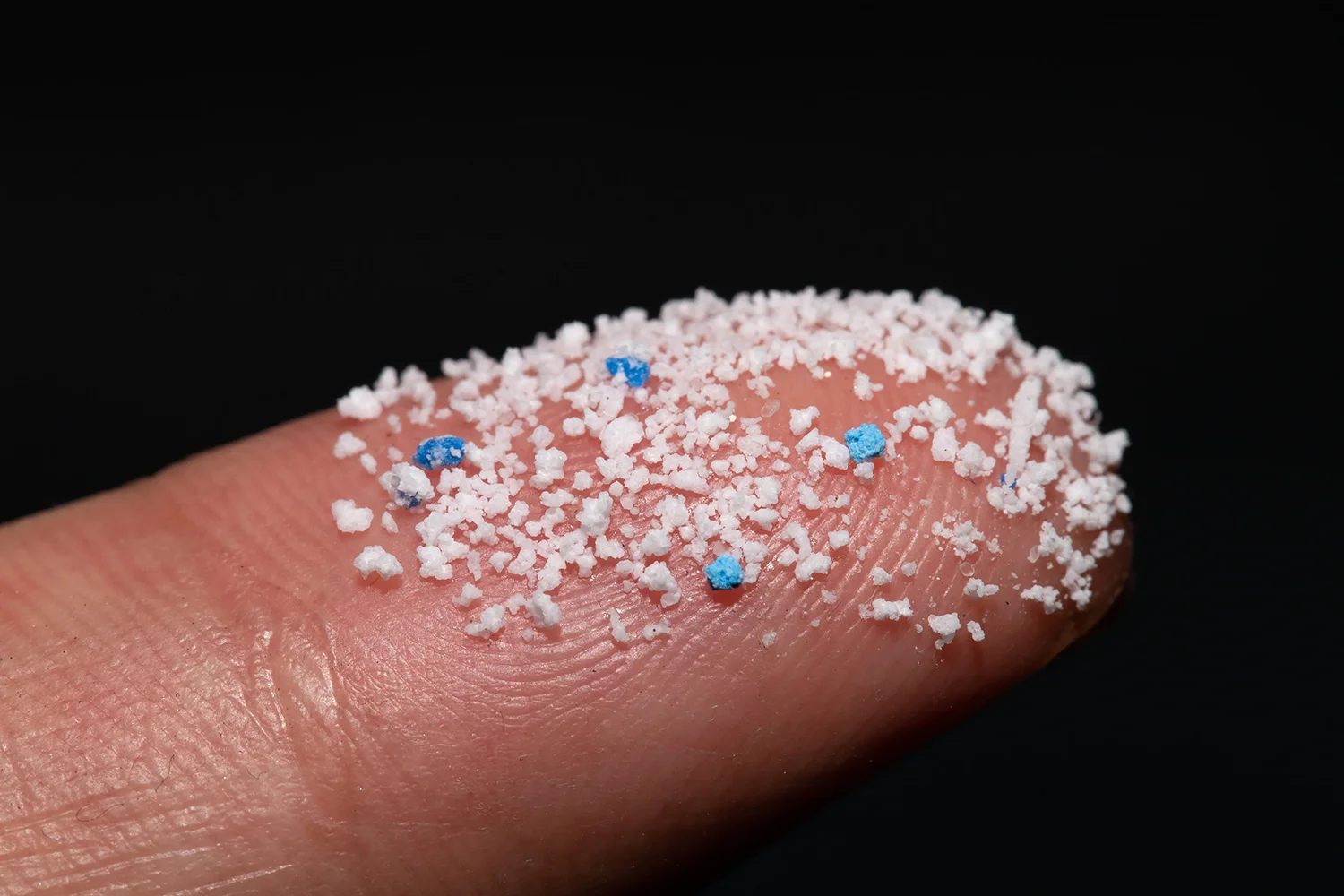
Microplastics are already widely distributed worldwide, even in places like Antarctica and the deep sea, according to various studies. Now, a team of scientists has confirmed their presence in clouds, which could have an impact on the climate.
In a study published in Environmental Chemistry Letters, scientists conducted an expedition to Mount Fuji and Mount Oyama to collect mistwater from their peaks. Through the analysis of these samples, nine types of polymers and one type of rubber were identified in airborne microplastics.
The European Commission will implement a ban on the sale of products deliberately containing microplastics, such as detergents, cosmetics, toys, and other items. Products used in industrial settings or those that do not release microplastics during use are exempt from the sales ban, but their manufacturers will have to provide instructions on how to use and dispose of the product to prevent microplastic emissions.
The first measures, such as the ban on non-adhesive glitter and microbeads, will begin to be enforced when the restriction comes into effect this October.
Optimizing research is essential for gaining a deeper understanding of climate change. According to Okochi, "Microplastics present in the troposphere contribute to global pollution. If the issue of plastic air pollution is not proactively addressed, climate change and ecological risks could become a reality, causing severe and irreversible environmental and health damage in the future."